
Articles
How the Future of Theatre Conference Can Inform our Live Entertainment Marketing Strategies
by Pippa Bexon, Managing Director, Situation UK
Like what you see below?
Get more stories like this in your inbox by joining our newsletter.
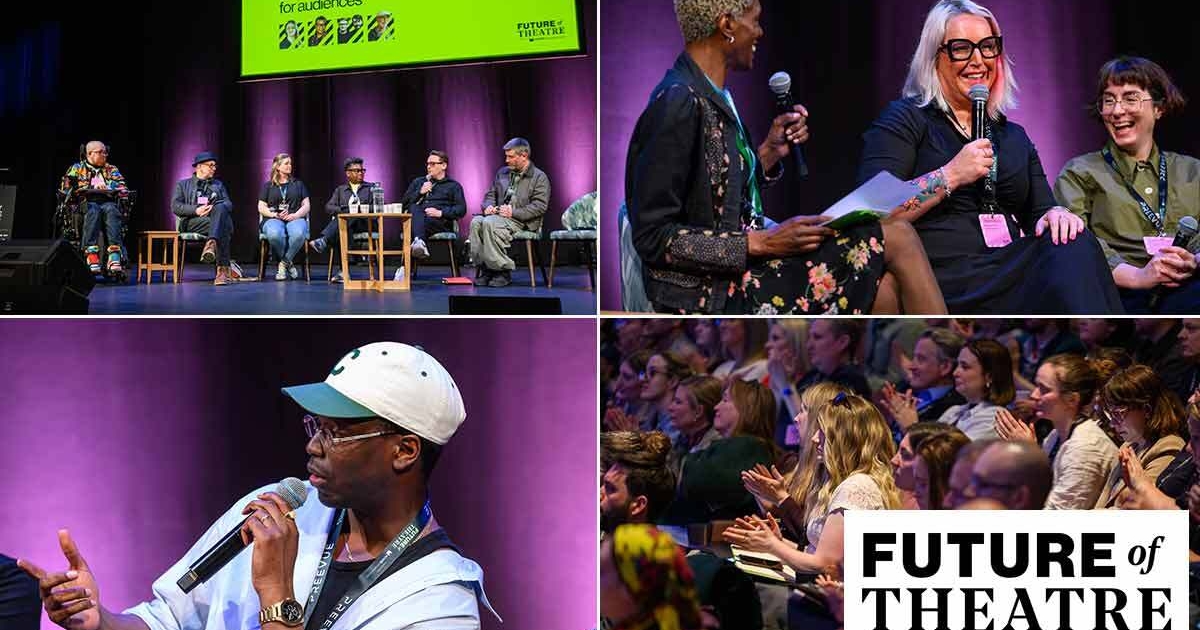

Last week I attended The Stage’s Future of Theatre Conference at Soho Theatre Walthamstow. Yes, the headlines are choppy; job cuts, rising costs, audiences under pressure. But what stuck with me most was spending time in a room full of people who refuse to accept that as the full story. Everyone I spoke to had an unwavering (and contagious) instinct to meet every challenge as an opportunity.
Here’s what I’m taking away from the day:
Inclusion needs to move from conversation to action. From the Welsh National Theatre taking theatre directly into communities to Shakespeare North Playhouse reimagining what a cultural space is even for in the first place, the most energising moments of the day were about institutions physically and philosophically meeting their audiences where they are, not waiting for audiences to come to them.
Community isn’t the backdrop to the experience; it is the experience. This above all came through across the day. But belonging can’t be bolted on through a press release or an Instagram statement. It demands real commitment to outreach, development, and pricing that reflects the communities these spaces exist to serve. Alternative revenue streams and business models beyond the ticket itself are no longer a nice-to-have; they are a necessity to be able to deliver this. But this also means that the appetite for those moments of genuine human connection has never been greater.
Theatre has never been more necessary – and we need to say so louder! In a world of AI-generated content and algorithmic echo chambers that are built to reconfirm what we already think, theatre that challenges perception, builds empathy and asks hard questions is an act of resistance. As the RSC put it in their keynote: this is not a luxury. It is a necessity.
This left me with a lot to think about, but most notably, as arts education continues its alarming decline, how do we, as a commercial sector, do more to advocate for, and continue to invest in the next generation of audiences?
And lastly, three marketing opportunities I think we can lean into right now
- Lead with belonging. Audiences are buying much more than a ticket. They want a shared experience and a moment of real, offline connection. Marketing that leads with social and emotional motivations, rather than purely the product, will resonate more deeply with the audiences the sector most needs to reach. Instead of “come and see this.” lets lead with “come and feel this, together.”
- The non-buyer (once thought to be a “lost cause”) is actually your biggest long-term opportunity. The decline in arts education is real, and its consequences are coming. But those who invest now in understanding what actually moves a non-buyer, whether that’s price or proximity or simply the right social context, will own that audience when it matters most.
- The adoption of AI is your counterpoint to live experience and your most powerful message right now. Theatre is live, unrepeatable and genuinely communal. It doesn’t feed you back what you already think, it asks you to question it. That is a bold, timely and emotionally charged message, and right now the cultural conversation is primed for it. The case for live has never been easier or more urgent to make, and I’m excited to make it with the most passionate industry out there.
Situation UK works with some of the world’s leading live entertainment brands to turn audience insight into commercial strategy. If any of these themes resonate with challenges you’re facing, we’d love to talk.
Join our newsletter list to hear our insights, data, and perspectives on your industry.
"*" indicates required fields