
Articles
The Future of Live Entertainment Marketing Is Personal, Not Automated
Our Takeaways From On Sale Live 2026
Like what you see below?
Get more stories like this in your inbox by joining our newsletter.
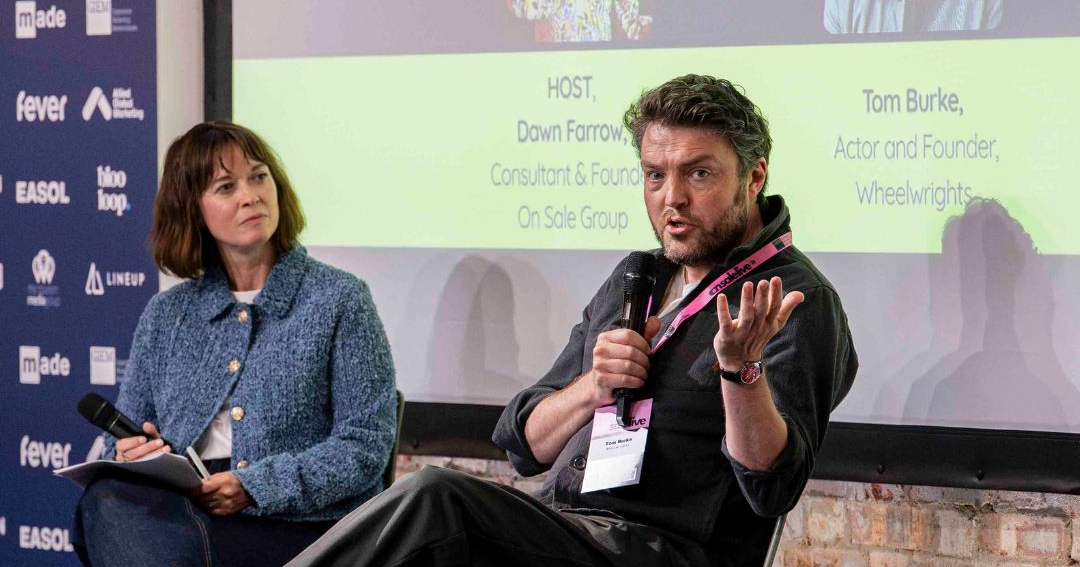


In 2026, audiences are navigating constant digital noise: endless emails, countless passwords, AI-driven tools and two-factor authentication at every turn. When turning to theatre and live entertainment for escapism, audiences have more to choose from, but less money to spend and marketers are working with less time, tighter budgets and an increasingly busy landscape.
So how do we make life easier for our audiences, whilst still being efficient with our budgets and time, and ultimately encouraging audiences to choose our shows? The consensus throughout the day was clear: a ‘one size fits all’ approach no longer works. Here’s what we took away.
Nobody Wants to Feel Like a Data Point
While consumers are quick to embrace AI in their personal lives, they do not want it heavily used in brand communications because they do not want to feel manipulated. In this climate, it is more important than ever to build a trusting relationship between brand and ticket buyer. Marketing choices need to remain consistent with your brand ethos while still retaining a human touch. AI tools can help increase visibility and efficiency, but brands still need to ask whether that content authentically reflects who they are. This is also why we are seeing the continued rise of user-generated content (UGC), as audiences increasingly crave human moments of connection.
Don’t waste time and precious marketing budget trying to be everything to everyone by gaming an algorithm. Even companies like Fever, with extensive owned data, emphasise the importance of finding your North Star and being world-class for the audiences you know will respond. A tangible example of this is social community management: generic copy-and-paste responses may technically do the job, but thoughtful interactions that treat people as human beings are far more likely to resonate and drive action. Large brands are increasingly investing in creator-led and user-generated content as a result. Unilever, for example, has announced plans to shift 50% of its advertising spend towards creators.
Friction Is the Enemy of the Box Office
In this busy marketplace, we as marketers need to provide a frictionless experience for audiences. Any barriers across the customer journey increase the risk of audiences dropping off. It was noted that customers are buying less, but when they do they are spending more and making an occasion of it. Our marketing is effectively the ‘warm-up act’ for the experience itself – so how can it enhance the occasion for audiences?
There was discussion around revisiting tactics that may have fallen out of fashion but could stand out precisely because of their tangible, physical presence — direct mail and in-person activations, for instance — as a way to cut through an ever-growing digital world. In the tourism sector specifically, we were encouraged to work with existing audience behaviours rather than trying to redirect them. It remains clear that the majority of shows are still booked via third-party tour operators, and that these audiences are making decisions about their activities before they arrive in London — often through sources such as Visit London, which is one of only two sources currently used by ChatGPT when searching for things to do in the city. That connection back to the AI conversation is worth taking seriously.
You Can’t Screenshot a Standing Ovation
As technology advances, people are looking for ways to foster a sense of community and connection with one another. Immersive experiences are booming at the moment because people are looking to be part of the story. Shared moments with friends and family are ultimately what audiences remember most.
During the opening session, the differences between Broadway and the West End were briefly touched upon. Broadway naturally operates with bigger budgets and higher costs, but what matters more than the differences between the two markets is what they share: the fundamental human need for a shared experience.
On Sale Live was an insightful day, and an excellent opportunity to pause, learn from others in the industry and regroup ahead of the second half of the year. Across every session, the common thread was clear: audiences are looking for experiences that feel personal, trustworthy and worth their time.
We look forward to continuing to create audience-focused campaigns that genuinely add to the customer experience within our brilliant industry.
Photo Credit: Dawn Farrow
Situation UK works with some of the world’s leading live entertainment brands to turn audience insight into commercial strategy. If any of these themes resonate with challenges you’re facing, we’d love to talk.
Join our newsletter list to hear our insights, data, and perspectives on your industry.
"*" indicates required fields