
Articles
Theatre & Tourism: Unlocking additional audiences to support a bumper West End Summer.
by Pippa Bexon, Managing Director, Situation UK
Like what you see below?
Get more stories like this in your inbox by joining our newsletter.
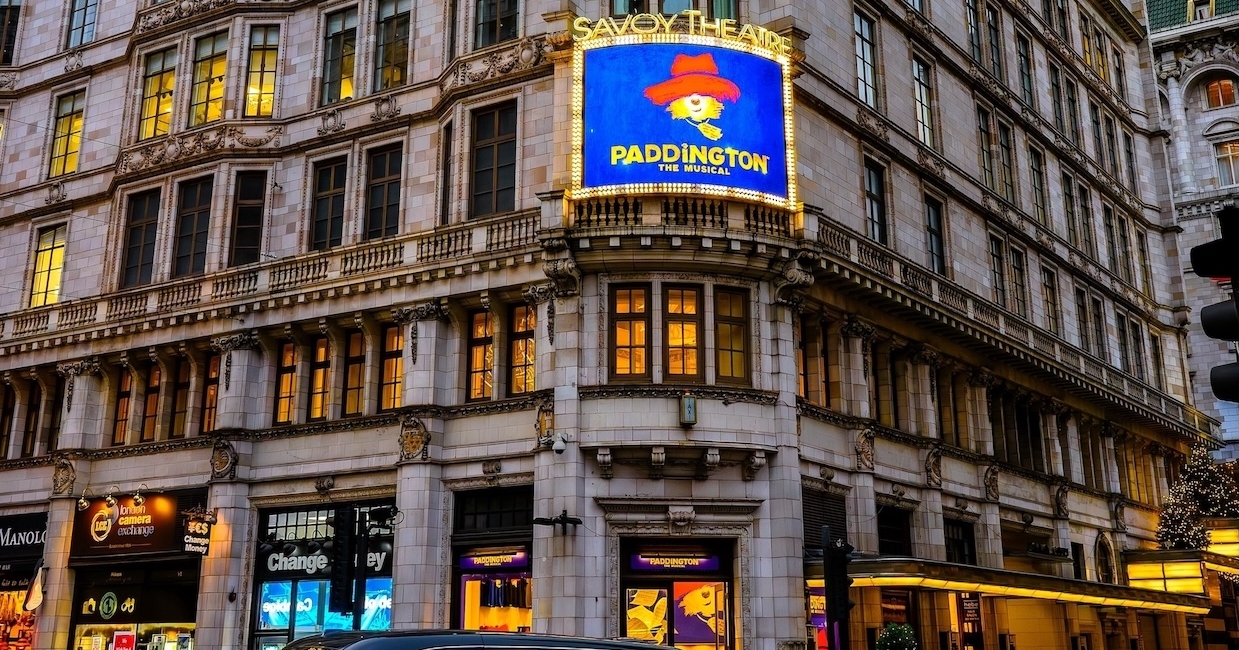

The relationship between theatre and tourism in London has always been deeply intertwined. The data is clear: the West End is not simply part of the visitor experience; for many it defines it. Yet as audience behaviours evolve and travel patterns shift, there is a growing opportunity to rethink how theatre positions itself within the broader tourism ecosystem.
Recent insights from our research with the Society of London Theatre (SOLT) point to fresh opportunities, right here at home from the UK’s own domestic tourists. Demand for theatre is strong, intent is high, and the barriers to attendance, while real, are far from insurmountable.
Theatre as a primary driver of travel
For a significant proportion of visitors, theatre sits high on the bucket list, not as a secondary activity but as a central motivation for choosing London as a destination. This reinforces the West End’s role not merely as cultural infrastructure, but as an economic engine with the power to anchor entire trips.
The implication is clear. Theatre should be positioned earlier and more prominently within the travel planning journey, not treated as an optional addition once other decisions have been made.
A planning window ripe for influence
The modern traveller plans well in advance. Inspiration and initial research often begin four to seven months before arrival, while ticket purchases tend to happen closer to the visit, typically within one to three months.
This extended decision-making window presents a strategic opportunity. It allows the industry to engage potential audiences at multiple touchpoints, shaping perception early while also capturing intent as it matures. Those who succeed will be the ones who maintain visibility and relevance throughout the entire journey, not just at the point of transaction.
The enduring power of musicals
Musicals continue to dominate audience preference, with long-running productions performing particularly strongly. Their recognisability, proven quality, and broad appeal make them a natural entry point for international visitors.
This is both a strength and a signal. While flagship shows provide a dependable draw, there is an opportunity to use their popularity as a gateway, introducing audiences to a wider range of theatrical experiences and extending engagement beyond a single night out.
Reframing the barriers to attendance
Price, awareness, and time constraints remain the most commonly cited reasons for not attending theatre. However, these should not be viewed as fixed obstacles. Instead, they represent areas where the industry can act with greater clarity and intent.
There is a need to continue educating audiences on the breadth of pricing options available, to more clearly articulate the value of the experience, and to emphasise the uniquely shared, live nature of theatre. In doing so, the narrative can shift from cost to worth, and from transaction to experience.
Capturing the in-market opportunity
While much attention is rightly placed on pre-trip planning, there is a significant and often underleveraged opportunity to convert visitors once they are already in London. These in-market audiences are primed for discovery, open to spontaneity, and often seeking ways to enrich their stay in real time.
Reaching them effectively requires a different approach, one that prioritises immediacy, accessibility, and relevance. Whether through location-based messaging, partnerships, or last-minute availability, the ability to meet audiences in the moment will be a key driver of incremental growth.
From latent demand to realised attendance
Perhaps the most encouraging insight is this. Sentiment towards theatre remains overwhelmingly positive. The desire to attend is already there. When people do not go, it is rarely due to lack of interest, but because something interrupts the journey from intention to action.
Closing that gap represents one of the most significant opportunities for the sector. It is not about creating demand from scratch, but about unlocking demand that already exists.
Looking ahead
The West End stands at a moment of opportunity. By aligning more closely with the rhythms of modern travel behaviour, engaging earlier, communicating more clearly, and converting more effectively, the industry can strengthen its position not only as a cultural cornerstone, but as a vital driver of London’s visitor economy.
The challenge, and the opportunity, is to move from passive presence to active participation in the traveller journey. Those who do will not only capture a greater share of today’s audiences, but shape the expectations of tomorrow’s.
Join our newsletter list to hear our insights, data, and perspectives on your industry.
"*" indicates required fields